Ocean Sea Embroidery Design Set Review
When I first opened the Ocean Sea Embroidery Design Set, my initial reaction wasn't about the file size or the stitch count, but rather the mood it instantly conjured. As a designer who spends hours evaluating digital assets for real-world production, I look for that specific spark where a design feels ready to move from a screen to a fabric surface. This collection brings a delightful sense of underwater wonder that is rare in generic clipart-style files. It doesn't just sit there; it invites you to imagine the texture of the stitching and the way the light would catch the satin finish on a child's onesie or a sturdy tote bag.
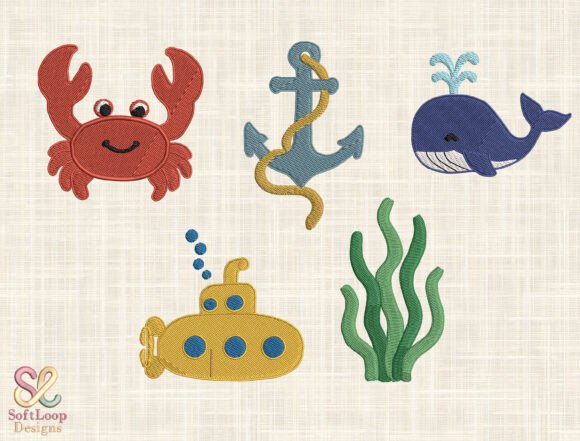
The set features five whimsical nautical icons that feel cohesive yet distinct. In the world of machine embroidery design, cohesion is often the difference between a cluttered mess and a professional brand asset. These icons possess a visual personality that leans heavily into the playful, making them an ideal candidate for Nursery themed products or boutique items aimed at families. The shapes are rounded and approachable, avoiding sharp angles that might get lost in dense fill stitches or cause thread breaks on thinner fabrics.
From Digital File to Finished Product: A Real-World Scenario
To truly understand the utility of the Ocean Sea Embroidery Design Set, I like to visualize the end product before I even touch the hoop. Let's say I am preparing a custom order for a local craft fair booth. I need a standout item that screams "summer fun" but maintains a level of quality that justifies a higher price point. I decide to create a line of canvas tote bags featuring these ocean motifs.
Here is how the design translates in that scenario. The five icons allow for a balanced layout. Instead of cramming everything into one spot, I can place a single crab icon as a chest pocket accent on a sweatshirt or distribute them across a large apron for a kitchen-themed gift set. The whimsical nature of the design suggests a soft, welcoming aesthetic that customers associate with handmade quality. When I mock up the embroidery project digitally, the negative space around each icon looks clean, ensuring that the final stitched piece won't look cramped on smaller garments like baby hats or caps.
However, not every application is a perfect match. If I were designing a high-end corporate polo shirt, this design might feel too casual. But for a small shop selling beachwear, holiday gifts, or personalized baby blankets, the fit is nearly seamless. The design elevates the perceived value of the finished product because it looks intentional and thoughtfully composed, rather than like a random sticker slapped onto fabric.
Performance on Various Fabrics and Garments
In my experience reviewing embroidery files, the devil is always in the details regarding stitch density and placement. The Ocean Sea Embroidery Design Set appears to utilize a mix of satin stitches for outlines and fill stitches for the body of the icons. This combination generally works well for creating depth, but it requires careful consideration of the base material.
For custom apparel like t-shirts and sweatshirts, this design shines. The slightly larger scale of the icons ensures they remain legible even after multiple washes. However, if you plan to use this on a stretchy fabric like jersey knit without proper stabilizer, you risk puckering. The design's density means it needs a stable foundation. I recommend using a cut-away stabilizer for any garment that will be worn frequently or washed often, such as children's clothing or work aprons.
When considering textured fabrics, such as heavy cotton canvas for tote bags or linen for pillow covers, the design holds its own. The contrast between the smooth threads and the rougher fabric texture adds a tactile element that customers love. Yet, caution is advised when moving to thin fabrics. On sheer materials or very fine silks, the density of the fill stitches might show through to the other side, creating an unwanted shadow or bulk. For those applications, testing on a scrap piece is non-negotiable.
Where to Exercise Caution
While this set is versatile, there are specific scenarios where it might struggle. Small hoop sizes present a significant challenge. If you attempt to digitize or embroider these icons on a 4x4 inch area, the detail might get lost, or the machine might skip stitches due to the tight turns required by the curves of the sea creatures. Always check your hoop size compatibility before committing to a production run.
Dense stitch areas can also be tricky. If the original design has overlapping elements or very tight corners, the needle might hit the existing stitches, causing thread breaks or uneven coverage. This is particularly relevant if you are layering this design over other text or graphics. Furthermore, dark fabrics require a different thread strategy. To ensure the white or light-colored details pop, you may need to adjust the underlay settings or choose high-contrast thread colors. Without proper planning, the design could appear muddy or indistinct against a navy blue background.
Curved surfaces like baseball caps also demand extra attention. While the rounded shapes of the icons suit curved surfaces well, the overall width of the design must be measured carefully to avoid distortion at the edges. If the design is too wide for the cap panel, the sides will stretch out, ruining the symmetry of the nautical theme.
Practical Notes for Designers and Sellers
Before you rush to list this as a digital product or start mass-producing handmade products, there are several technical steps you must take. First and foremost, test the design on scrap fabric. This simple step reveals issues with tension, thread tension, and fabric stability that you cannot see on a computer screen. Check the stitch density closely; if the fill looks too solid, it might make the fabric stiff, which is undesirable for baby clothes or soft towels.
Review the thread colors available in your library to ensure they complement the design. Sometimes a standard color palette doesn't capture the vibrancy needed for a nautical theme. You might find that specific blues or teals enhance the underwater vibe more than the default options provided. Additionally, inspect small details like the eyes of the fish or the claws of the crab. These tiny elements are often the first to fail during production if the digitization isn't precise.
If you are an Etsy seller or a small business owner, remember to confirm the licensing terms. Just because you bought the file doesn't automatically mean you can sell unlimited quantities of finished goods. Some licenses restrict commercial use or limit the number of units you can produce. Clarifying this upfront protects your craft business from legal headaches later.
Finally, consider the presentation. A well-executed embroidered patch or a beautifully stitched tote bag design tells a story. The Ocean Sea Embroidery Design Set provides the narrative hook, but your execution provides the trust. Customers buy handmade items because they want quality and uniqueness. By paying attention to stabilizer choice, thread selection, and fabric texture, you ensure that the final product reflects the professionalism and care that justified their purchase in the first place.
Ultimately, this design set offers a charming, practical solution for creators looking to add a touch of marine life to their portfolio. Whether you are crafting a personalized gift for a friend or building a line of boutique branding for your shop, the whimsical nature of these icons provides a strong foundation for success. Just remember to test, adapt, and respect the limitations of your equipment to bring the magic of the ocean to life effectively.