Houseplants Hand Embroidery Pattern Review
As an experienced embroidery designer who frequently sources assets for commercial projects, I approach every new download with a mix of excitement and skepticism. The market is flooded with digital files, but finding graphics that truly translate into high-quality finished products can be a challenge. Recently, I came across the Houseplants Hand Embroidery Pattern on Creative Fabrica. Before committing to using this design for a client order or a batch of items for my Etsy shop, I put it through the mental gauntlet of a real-world production scenario.
This review isn't just about whether the file looks pretty in a PDF preview; it is about how it performs when stitched onto fabric, how it holds up after washing, and whether it adds value to your handmade brand. If you are an embroiderer looking to expand your catalog with botanical themes, here is my honest evaluation of the Houseplants Hand Embroidery Pattern.
First Impressions: Aesthetic and Design Personality
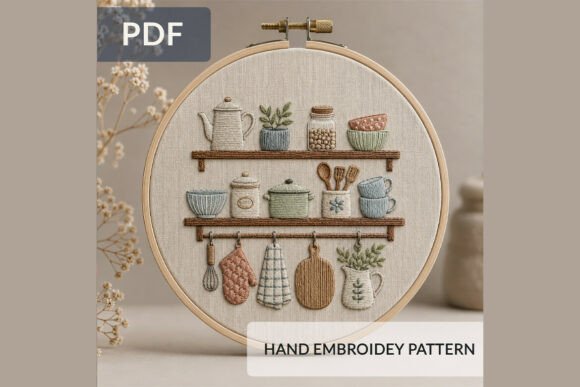
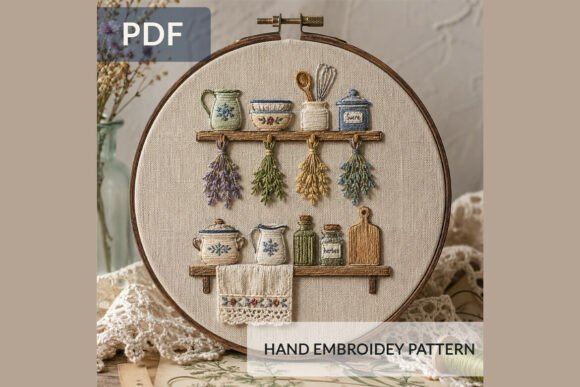
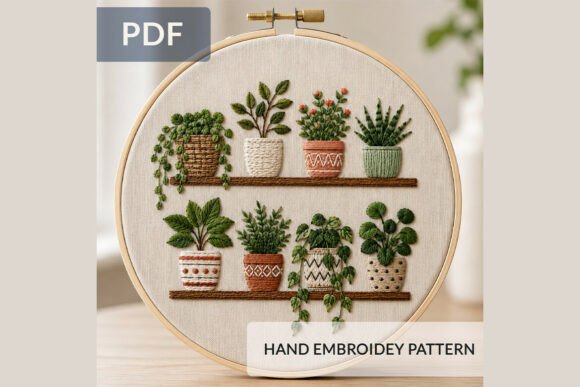
The moment I opened the preview for the Houseplants Hand Embroidery Pattern, the mood was immediately established. This is not a stiff, rigid floral arrangement; it captures the essence of modern indoor gardening. The design features aesthetic indoor plants, textured pots, trailing vines, and wooden shelves. For a designer, this "personality" is crucial because it dictates where the design will shine.
The visual appeal suggests a cozy, organic vibe that fits perfectly with current trends in home decor and apparel. Unlike generic flower patterns, this set feels curated. The inclusion of trailing vines offers dynamic movement, while the wooden shelves provide a structured anchor. When considering this as a machine embroidery design, the layout appears balanced enough to work in standard hoop sizes without feeling cramped or overly sparse. It strikes a balance between detailed botanical accuracy and the stylized look that makes handcrafted goods desirable.
Real-World Application: From Digital File to Finished Product
I often ask myself, "Where would I actually use this?" The versatility of the Houseplants Hand Embroidery Pattern is one of its strongest selling points. It is not limited to a single niche. Here is how I see this design fitting into various product lines:
- Custom Apparel and Accessories: The scale of the design seems ideal for a chest pocket on a sweatshirt or a centered motif on a tote bag. The trailing vines could wrap elegantly around the side seam of a baby blanket or drape down the front of an apron.
- Home Decor and Nursery Items: Given the botanical theme, this is a natural fit for nursery wall art, pillow covers, or kitchen towels. The wooden shelf element could serve as a clever framing device for a nursery gallery wall print or a printable mockup listing.
- Commercial Merchandise: For boutique owners or craft fair vendors, this design has mass appeal. It works well as a patch, a cap embroidery, or a decorative accent on reusable shopping bags. The aesthetic aligns perfectly with the "slow living" trend that drives sales in the handmade community.
When used correctly, this embroidery file elevates the perceived value of a handmade product. A simple tote bag becomes a statement piece when adorned with the intricate details of the Houseplants Hand Embroidery Pattern. It signals to the buyer that attention was paid to the design's composition, fostering trust and encouraging repeat purchases.
Technical Considerations and Practical Challenges
While the concept is beautiful, the execution depends heavily on technical decisions. As a professional, I must warn users about potential pitfalls when working with designs that feature dense foliage and small details.
Stitch Density and Detail: Designs featuring many leaves and textured pots can sometimes result in high stitch density. If the stitch count is too high for the fabric weight, you risk puckering or thread breaks. I strongly advise testing the Houseplants Hand Embroidery Pattern on scrap fabric before running a full production run. Pay close attention to the satin stitch areas on the pot rims and the fill stitch density within the leaves. If the machine struggles, consider simplifying the design or adjusting the underlay settings.
Fabric Selection: The choice of fabric is paramount. For custom apparel like t-shirts or caps, you need stable fabrics to prevent distortion. However, if you are working with stretchy knits, you must use the proper stabilizer to keep the design crisp. Dark fabrics present another challenge; ensure the thread colors offer sufficient contrast so the delicate details of the vines do not get lost against a black or navy background. Lighter fabrics might require a different thread palette to maintain the airy feel of the design.
Hoop Size and Curved Surfaces: One specific constraint to note is the hoop size. If the design includes wide shelving units, it may require a larger hoop than standard 4x4 inches. Additionally, applying this to curved surfaces like caps requires careful digitizing adjustments to account for the curvature. Flat surfaces like pillows or tote bags are generally safer bets for beginners.
Enhancing Product Value and Brand Consistency
In the world of commercial embroidery and digital product selling, consistency is key. Using a cohesive design language helps build a recognizable brand. The Houseplants Hand Embroidery Pattern offers a distinct style that can be replicated across multiple product categories. Imagine a matching set: a tote bag, a kitchen towel, and a pillow cover all featuring variations of this plant collection. This creates a unified look that customers love.
Furthermore, the visual quality of the design directly impacts product photography. A well-stitched design with clean edges and vibrant thread colors photographs beautifully, which is essential for online listings on platforms like Etsy. High-quality images drive engagement and sales. If the design is poorly executed due to incorrect settings, it can detract from the overall presentation, regardless of the product's inherent quality.
Final Verdict and Best Practices
Is the Houseplants Hand Embroidery Pattern worth downloading? For designers looking to add a touch of nature and warmth to their portfolio, yes. It is a versatile asset that can transform basic items into premium gifts. Whether you are creating a personalized gift for a friend or building a line of embroidered patches for your shop, this design provides a strong foundation.
However, success relies on preparation. Before finalizing any project, please follow these practical steps:
- Review File Details: Always check the product page on Creative Fabrica for specific file formats, recommended hoop sizes, and licensing terms regarding commercial use.
- Conduct a Test Stitch: Never skip the test run. Stitch the design on a scrap piece of the same fabric you plan to use for the final product to check tension and stability.
- Inspect Small Details: Zoom in on the digital preview to ensure that tiny elements like leaf veins or shelf textures are clear enough to stitch effectively.
- Compare Mockups: Visualize the design on both light and dark backgrounds to confirm color harmony.
The Houseplants Hand Embroidery Pattern is more than just a digital image; it is a tool for creative expression. By understanding its strengths and limitations, you can leverage this design asset to create stunning finished products that resonate with buyers. Whether you are an Etsy seller, a boutique owner, or a hobbyist looking to upgrade your skills, this pattern offers a promising path to beautiful, botanical-inspired embroidery.