Bee and Flower Embroidery Design Review
As an experienced embroidery designer who has spent countless weekends prepping for craft fairs, I know that the difference between a stall that sells out and one that gathers dust often comes down to the specific design assets you choose. Today, I am reviewing the Bee and Flower Embroidery Design, a piece that promises to bring the beauty of nature to your projects. This review is written specifically for craft fair sellers, Etsy shop owners, boutique makers, and creative entrepreneurs looking to turn digital files into profitable handmade products.
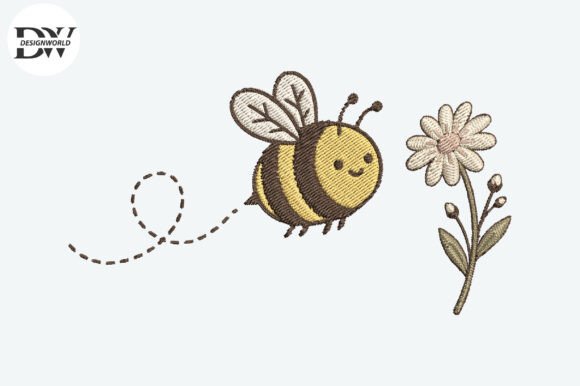
When I first opened the file for the Bee and Flower Embroidery Design, my immediate impression was one of soft charm and rustic elegance. The description highlights a charming bee surrounded by delicate blooming flowers. In the world of machine embroidery design, "delicate" can be a risky word if it implies tiny, hard-to-see details. However, based on the visual potential, this design feels like a perfect bridge between farmhouse style and modern botanical aesthetics. It is not overly bold or aggressive; instead, it offers a gentle, inviting appeal that resonates with customers browsing handmade goods. For a weekend market booth, this kind of aesthetic works exceptionally well because it photographs beautifully and catches the eye from a distance without shouting for attention.
Where Bee and Flower Embroidery Design Shines
In my experience preparing a table display, the success of a product line depends heavily on versatility. The Bee and Flower Embroidery Design is not just a single image; it is a versatile asset that can transform various items into high-value craft fair products. Let's look at where this design truly stands out when applied to physical goods.
First, consider the classic tote bag design. A simple canvas tote becomes a premium item almost instantly when embroidered with this pattern. The combination of a bee and flowers suggests a connection to nature, making it ideal for eco-conscious shoppers. When placed centrally on a tote, it acts as a focal point that elevates the perceived value of the bag. Similarly, for kitchen enthusiasts, this design translates perfectly into apron embroidery and tea towel embroidery. The floral elements add a touch of warmth to the kitchen, while the bee adds a playful, welcoming element. These are high-margin items that often sell quickly in gift shops and online boutiques.
For those selling smaller accessories, the embroidered patch version of this design is a goldmine. Customers love patches they can iron onto denim jackets, hats, or backpacks. The Bee and Flower Embroidery Design has enough detail to look intricate but likely retains its shape well when trimmed, making it a great standalone product. Additionally, small fabric pouches and pillow covers offer another avenue for sales. On a pillow cover, the design can serve as a decorative accent in the corner, adding texture and color to a living space. For Etsy sellers, creating a collection of these items creates a cohesive brand identity that encourages buyers to purchase multiple pieces rather than just one.
Production Practicality and Visual Appeal
From a production standpoint, the Bee and Flower Embroidery Design appears to be highly repeatable. One of the biggest challenges for handmade shop owners is batch production; if a design takes too long to stitch, your profit margins shrink. Assuming the design utilizes standard stitch types common in a digital embroidery file, it should be efficient enough to produce in batches for a busy weekend fair. The natural theme allows for easy customization through thread colors. You could create a spring collection with pastels, a summer set with bright yellows and greens, or a fall variation with earthy tones. This flexibility ensures your inventory stays fresh and relevant throughout the year.
Photography is another critical factor for Etsy listings and social media marketing. Designs that feature organic shapes, like flowers and insects, tend to photograph very well because they naturally complement outdoor lighting and rustic backdrops. The Bee and Flower Embroidery Design will likely pop against neutral fabrics like white, cream, or light denim, which are staples in the handmade community. This contrast helps the design stand out in a crowded marketplace, drawing customers into your booth or clicking on your listing.
Important Considerations for Commercial Embroidery
While the design has immense potential, a professional review must also address practical limitations. As a designer, I always advise checking specific technical details before committing to mass production. For instance, the clarity of the Bee and Flower Embroidery Design at smaller sizes is something to verify. If the file contains very fine lines or tiny lettering, it might get lost when stitched on a small cap or a narrow tea towel border. Always test the design at the intended size to ensure the details remain distinct.
Another crucial factor is stitch density. Designs with dense stitching areas can sometimes cause puckering, especially on thin fabrics like linen or lightweight cotton used for aprons. To prevent this, you must use the right stabilizer. For curved surfaces like caps, the hoop size and the curvature of the garment can distort the design if not accounted for. It is essential to confirm the recommended hoop size and ensure your stabilizer choice matches the fabric weight. Thicker fabrics or textured towels may require a different approach to keep the design crisp and legible.
Designer Notes for Success
If you are planning to use this design for commercial embroidery, here are some essential steps to ensure your finished product looks professional:
- Test on Scrap Fabric: Before running a full production batch, stitch the Bee and Flower Embroidery Design on scrap material similar to your final product. This helps you gauge thread tension and fabric reaction.
- Check Thread Contrast: Ensure your chosen thread colors provide enough contrast against the fabric. A dark bee on a black background, for example, will disappear completely.
- Create Real Mockups: Don't rely solely on digital mockups. Create at least one real sample to photograph for your printable mockup needs. Real photos build trust with buyers.
- Compare Fabric Colors: Test the design on different fabric shades. Sometimes a color that looks good on white performs poorly on beige or navy.
- Confirm Licensing: Always review the commercial licensing terms of your embroidery file. Ensure you have the rights to sell the finished products, whether they are tote bags, patches, or home decor.
The Bee and Flower Embroidery Design represents a strong opportunity for small shop products and creative entrepreneurs. Its blend of nature-inspired imagery and delicate execution makes it suitable for a wide range of applications, from market bags to giftable handmade items. By paying attention to the technical nuances of fabric texture and stitch density, you can transform this digital asset into a best-selling physical product. Whether you are setting up a booth for a local craft fair or expanding your online store, this design offers the visual appeal and versatility needed to engage buyers and drive sales.
Ultimately, the success of your handmade product line depends on the quality of your choices. The Bee and Flower Embroidery Design fits the bill for those seeking a charming, high-quality addition to their repertoire. With careful preparation and attention to detail, this design can become a cornerstone of your brand, helping you connect with customers who appreciate the beauty of nature and the artistry of handcrafted goods.